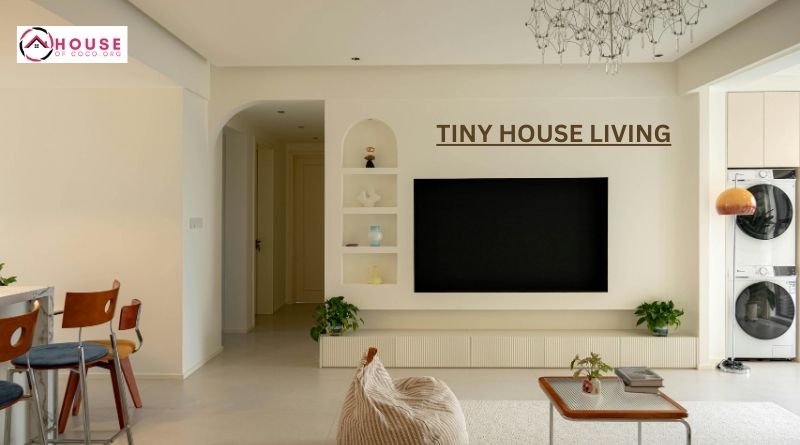
Understanding the Rise of Tiny House Living
Tiny house living has grown from a niche lifestyle into a global movement embraced by people seeking simplicity, affordability, and a deeper connection to what truly matters. At its core, this way of life challenges the traditional idea that bigger is better. Instead, it focuses on intentional choices—owning less, using space wisely, and designing homes that support daily life without unnecessary excess. Economic pressures, environmental concerns, and a desire for flexibility have all contributed to the popularity of tiny homes, especially among young professionals, retirees, and digital nomads. While downsizing can feel intimidating at first, many who make the transition report a sense of relief and clarity that comes from living with fewer distractions and lower financial burdens.
Financial Freedom Through Smart Downsizing
One of the most compelling reasons people choose tiny house living is the potential for financial freedom. Smaller homes generally cost significantly less to build or purchase, which can reduce or even eliminate long-term debt. Lower utility bills, reduced maintenance costs, and minimal property taxes free up income for savings, travel, or personal projects. For many, this shift allows a move away from paycheck-to-paycheck living toward a more stable and intentional financial future. Importantly, tiny living does not mean sacrificing comfort; thoughtful design and quality materials can create a cozy, efficient home that feels complete without being costly.
Rethinking Consumption and Daily Habits
Adopting a tiny lifestyle naturally changes how people consume and organize their lives. Limited space encourages mindful purchasing and creative storage solutions, helping residents prioritize essentials over impulse buys. Over time, this shift can reshape habits, making sustainability a daily practice rather than an abstract goal. By owning fewer items, individuals often spend less time cleaning, organizing, and worrying about possessions, and more time enjoying experiences. This mindset aligns closely with minimalist values and can lead to improved mental well-being and reduced stress.
Environmental Benefits and Sustainable Design
Environmental responsibility is another major advantage of tiny house living. Smaller homes require fewer building materials and consume less energy, resulting in a reduced carbon footprint. Many tiny homes incorporate eco-friendly features such as solar panels, composting toilets, rainwater collection systems, and energy-efficient appliances. These choices not only lower environmental impact but also promote self-sufficiency. As climate concerns grow, tiny homes offer a practical example of how thoughtful design and lifestyle changes can contribute to a more sustainable future without sacrificing quality of life.
Community, Zoning, and Legal Considerations
Despite its benefits, tiny house living does come with challenges, particularly around zoning laws and community acceptance. Regulations vary widely by location, and not all areas allow tiny homes as permanent residences. Prospective homeowners must research local codes, parking options, and utility hookups before committing. On the positive side, tiny house communities are emerging around the world, offering shared resources, social connection, and legal clarity. These communities demonstrate how small-scale living can thrive when supported by thoughtful planning and cooperative values.
Is Tiny House Living Right for You?
Choosing tiny house living is a deeply personal decision that depends on lifestyle, priorities, and long-term goals. It requires adaptability, organization, and a willingness to question conventional norms. However, for those seeking freedom from excessive costs, environmental impact, and clutter, it can be a rewarding path. By focusing on experiences rather than square footage, many people discover that tiny house living offers not just a smaller home, but a richer, more intentional life.