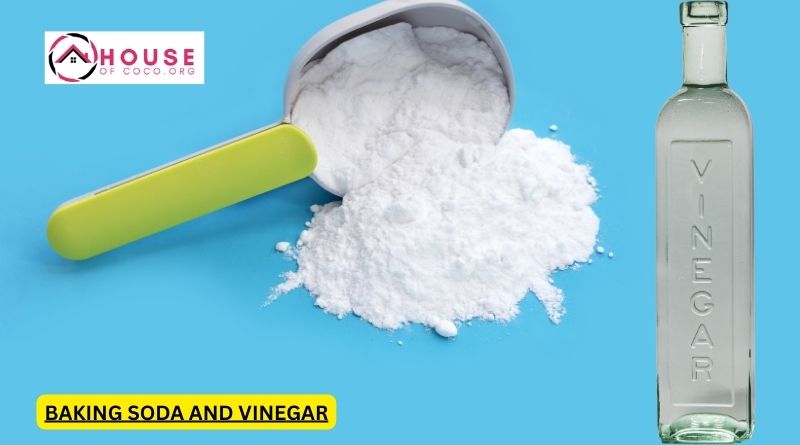
Introduction to Baking Soda and Vinegar
The combination of baking soda and vinegar has fascinated people for generations, often being described as a magical household solution. From school science experiments to viral cleaning hacks, baking soda and vinegar are widely known for their dramatic fizzing reaction and versatile uses. While many people rely on them for cleaning, deodorizing, and even minor household fixes, there is also confusion about what this mixture truly does and where its effectiveness begins and ends. Understanding the science and proper applications behind this popular duo helps separate practical benefits from exaggerated claims.
The Science Behind Baking Soda and Vinegar
Why Do They Fizz When Mixed?
Baking soda is a base (sodium bicarbonate), while vinegar is an acid (acetic acid). When these two substances come into contact, they react to form carbon dioxide gas, water, and a salt called sodium acetate. The rapid release of carbon dioxide is what causes the bubbling and fizzing effect that people find so satisfying. This chemical reaction happens quickly, which means its strongest effect is short-lived. Once the fizzing stops, the mixture loses much of its cleaning power, turning mostly into mildly salty water.
Does the Reaction Really Clean?
The reaction itself can help loosen debris or break up clogs because of the pressure created by the gas. However, it’s important to note that after the reaction ends, the mixture is no longer acidic or basic enough to act as a strong cleaner. This is why baking soda and vinegar work best when used separately or in specific situations rather than mixed for every task.
Practical Household Uses
Cleaning and Deodorizing Surfaces
Baking soda alone is excellent for scrubbing surfaces due to its mild abrasiveness, while vinegar is effective at dissolving mineral deposits and grease because of its acidity. When used correctly, baking soda and vinegar can help clean drains, sinks, and countertops by first applying baking soda and then following with vinegar to lift grime. The fizzing action can help dislodge dirt in hard-to-reach places, making the process easier.
Drain Maintenance and Minor Clogs
One of the most common uses of this mixture is for maintaining drains. Pouring baking soda followed by vinegar can help clear minor blockages caused by soap residue or food particles. While it won’t replace professional plumbing solutions for severe clogs, it can be a preventative maintenance method when used occasionally.
Common Myths and Misconceptions
Is It a Universal Cleaner?
A widespread myth is that baking soda and vinegar together can clean anything. In reality, the neutralized solution left after the reaction is not powerful enough to disinfect surfaces or remove heavy grease. For tasks like killing bacteria or cutting through tough stains, commercial cleaners or stronger natural alternatives may be more effective.
Is It Safe for All Surfaces?
Another misconception is that this mixture is safe for every material. Vinegar’s acidity can damage natural stone surfaces like marble or granite, while baking soda’s abrasiveness can scratch delicate finishes. Knowing where and how to use each ingredient is essential to avoid unintentional damage.
Eco-Friendly and Cost-Effective Benefits
A Sustainable Household Option
Despite the myths, baking soda and vinegar remain popular because they are affordable, widely available, and environmentally friendly compared to many chemical cleaners. They break down easily and don’t leave behind harmful residues, making them a safer choice for homes with children or pets when used properly.
When to Use Them Separately
For best results, it’s often more effective to use baking soda and vinegar separately rather than mixing them. Baking soda excels at absorbing odors and scrubbing surfaces, while vinegar works well for dissolving scale and sanitizing certain areas. Understanding their individual strengths allows you to get the most benefit from each.
Conclusion
The popularity of baking soda and vinegar is rooted in both science and tradition. While their dramatic reaction is visually impressive and useful in some situations, their effectiveness depends on how and where they are used. By understanding the chemistry, debunking common myths, and applying them thoughtfully, you can make informed decisions about when this classic household duo is truly helpful and when alternative solutions are better suited.