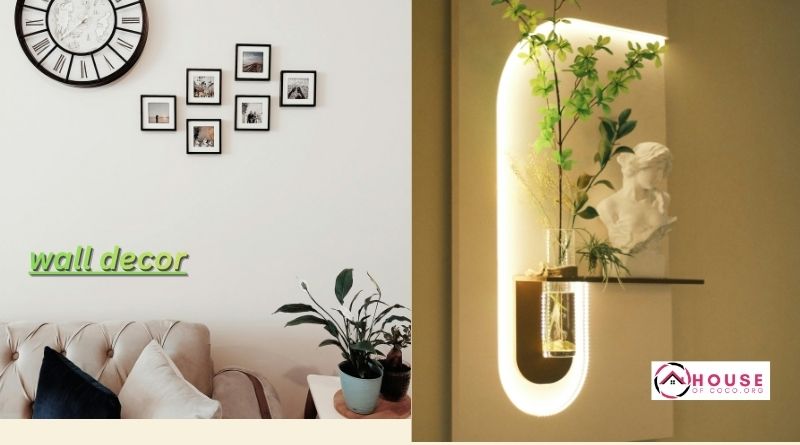
The Role of Wall Decor in Interior Design
A home often tells its story through the details, and few details speak louder than wall decor. Walls take up the largest visual surface in any room, which means how you treat them directly affects mood, balance, and personality. When chosen thoughtfully, wall elements can soften a stark space, energize a dull corner, or create a focal point that draws the eye naturally. Rather than being an afterthought, walls deserve the same care as furniture or lighting, because they quietly shape how a room feels day after day.
How Wall Decor Reflects Personal Style
Your walls are a canvas for self-expression. Whether you lean toward minimalist, rustic, modern, or eclectic tastes, what you hang communicates who you are. Carefully selected wall decor can reflect memories, values, and creativity without saying a word. For example, art prints might show your love for culture, while handcrafted pieces can highlight appreciation for craftsmanship. The beauty of wall styling is its flexibility—you can rotate pieces over time, allowing your space to evolve with your life rather than staying frozen in one design moment.
Choosing the Right Materials and Textures
Texture plays a major role in how walls are perceived. Smooth frames, rough wood panels, woven hangings, or metallic accents all interact differently with light and shadow. Mixing materials adds depth and keeps walls from feeling flat or lifeless. A room with neutral colors can come alive when texture is introduced through wall decor that contrasts gently with the surrounding surfaces. The key is balance: too many competing textures can overwhelm, while a thoughtful mix creates visual harmony.
Creating Balance and Flow Across Rooms
Consistency does not mean repetition. Using wall decor to create flow from one room to another helps your home feel cohesive. This can be achieved through recurring colors, similar frame styles, or related themes. At the same time, each room should maintain its own identity. For instance, a living room may feature expressive statement pieces, while bedrooms benefit from calmer, more soothing wall arrangements. Strategic placement ensures the eye moves comfortably through the space rather than stopping abruptly.
Practical Tips for Placement and Scale
Scale is often overlooked, yet it is essential. Oversized pieces can anchor a large wall, while smaller items work best in curated groupings. Hanging art too high or too low disrupts proportion, so aligning pieces roughly at eye level usually creates the most natural look. When experimenting with layouts, temporarily arranging items on the floor first can prevent unnecessary holes and frustration. Thoughtful placement allows wall decor to enhance the room instead of competing with it.
The Emotional Impact of Wall Decor
Beyond aesthetics, walls influence how we feel. Colors, imagery, and placement all contribute to emotional comfort. Warm tones can make a room feel welcoming, while cooler shades encourage calm and focus. Meaningful wall decor—such as personal photographs or inspirational artwork—adds emotional warmth that cannot be replicated by furniture alone. These elements quietly support well-being by making spaces feel familiar and intentional.
Why Wall Decor Is Worth the Investment
Investing in quality wall decor is not about trends; it is about longevity and connection. Well-chosen pieces can last for years, adapting to new spaces and styles with ease. More importantly, they turn a house into a home by adding character, depth, and story. When walls are thoughtfully styled, every room feels more complete, more personal, and more alive—proving that the right wall decor truly has the power to transform everyday living spaces.