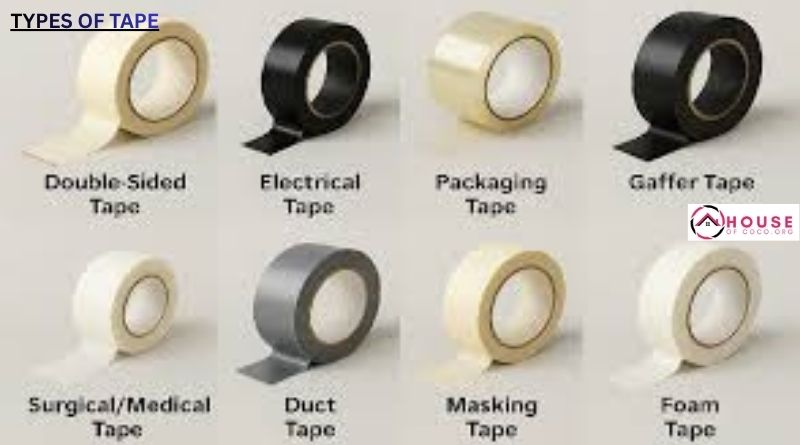
Tape may seem like a simple everyday item, but it plays a crucial role in homes, offices, industries, and creative projects. From sealing packages to repairing surfaces and supporting electrical work, tape is designed to solve a wide range of problems efficiently. Understanding the types of tape available can help you choose the right one for your specific needs, saving time, effort, and money. This article explores the most common and specialized tapes, their materials, and their practical uses in daily life and professional environments.
Understanding the Importance of Different Types of Tape
Not all tapes are created equal. Each tape is manufactured with specific adhesive properties, backing materials, and resistance levels. Some are made to stick permanently, while others are designed for temporary use without leaving residue. Knowing how and where each tape works best ensures safety, durability, and effectiveness. The growing demand for specialized solutions has led to the development of many types tailored for packaging, construction, electronics, and even medical applications.
Commonly Used Types of Tape for Everyday Needs
Packaging and Duct Tape
Packaging tape is one of the most widely used tapes, especially for sealing boxes and parcels. It is typically made from polypropylene or polyester with a strong adhesive that bonds well to cardboard. This tape is essential in shipping, storage, and moving tasks. Duct tape, on the other hand, is known for its strength and versatility. With a cloth-backed structure and rubber-based adhesive, it can be used for temporary repairs, bundling items, or sealing air ducts. These two options represent the most familiar types of tape found in households and workplaces.
Masking and Painter’s Tape
Masking tape is designed for temporary use and easy removal. It is commonly used in painting projects to protect surfaces from paint splashes and create clean edges. Painter’s tape is a more refined version, offering better adhesion control and residue-free removal even after several days. These tapes are ideal for DIY projects, decorating, and surface protection where precision matters.
Specialized Types of Tape for Professional Applications
Electrical and Insulation Tape
Electrical tape is specifically designed to insulate wires and protect against electric current. Made from vinyl or rubber materials, it offers flexibility, heat resistance, and moisture protection. This tape is essential for electricians and anyone working with electrical systems. Its strong insulating properties make it one of the most critical types of tape in safety-focused environments.
Double-Sided and Mounting Tape
Double-sided tape features adhesive on both sides, making it ideal for mounting objects without visible fasteners. It is commonly used for crafts, home décor, and lightweight installations. Mounting tape, a stronger variation, can hold heavier objects such as frames or hooks. These tapes provide a clean and damage-free alternative to nails and screws.
Industrial and Specialty Types of Tape
Medical and Athletic Tape
Medical tape is used in healthcare settings to secure bandages, dressings, and medical devices. It is designed to be gentle on the skin while maintaining reliable adhesion. Athletic tape, often used by sports professionals, supports joints and muscles during physical activity. Both tapes prioritize comfort, flexibility, and skin safety, making them unique among the various types of tape available.
Heat-Resistant and Waterproof Tape
Heat-resistant tape is used in high-temperature environments, such as automotive or manufacturing industries. Waterproof tape, meanwhile, is designed to seal leaks and protect surfaces exposed to moisture. These specialty tapes demonstrate how innovation has expanded the functionality of modern adhesives.
Choosing the Right Tape for Your Needs
Selecting the right tape depends on factors such as surface type, environmental conditions, and duration of use. Whether you need a temporary solution or a permanent bond, understanding the characteristics of different tapes is essential. By learning about the types of tape, you can ensure better performance and avoid common mistakes like using the wrong adhesive for a task.
Final Thoughts on Types of Tape
Tape is far more than a simple sticky strip; it is a vital tool across countless industries and everyday situations. From basic household repairs to complex industrial applications, the wide range of types of tape ensures there is a solution for nearly every challenge. By choosing the appropriate tape for your project, you enhance efficiency, safety, and overall results.